
The ELIAS Alliance has expanded its pan-European network with eight new regional AI Innovation Nodes, including one in Lausanne, bringing together research, innovation and entrepreneurship ecosystems across Europe.
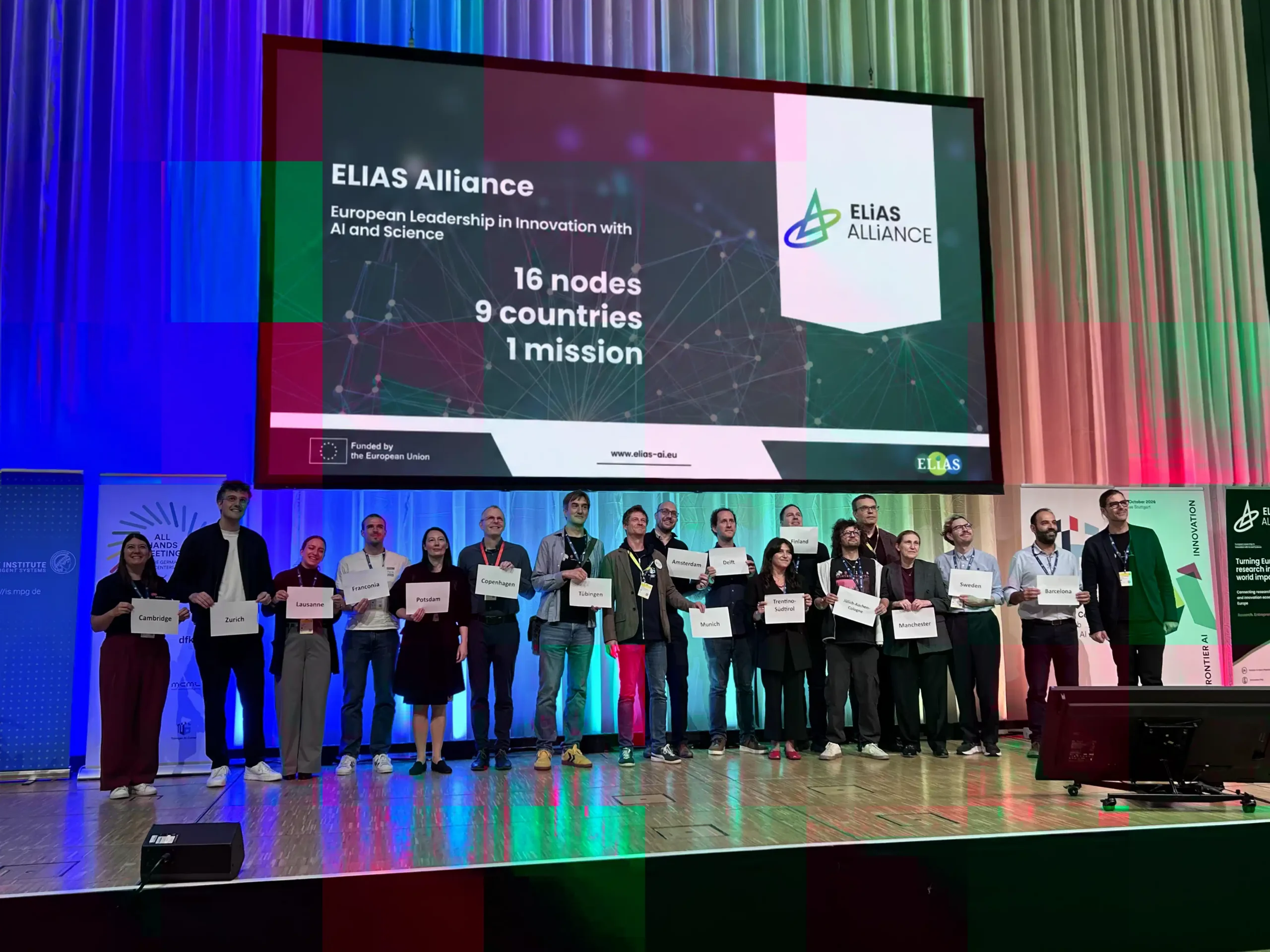
The eight new Nodes were officially announced on 8 October 2026 at the Frontier AI Innovation Summit in Stuttgart, Germany. With this expansion, the ELIAS Alliance now connects 16 Nodes across nine European countries, strengthening collaboration between leading AI research institutions, startups and industry partners.
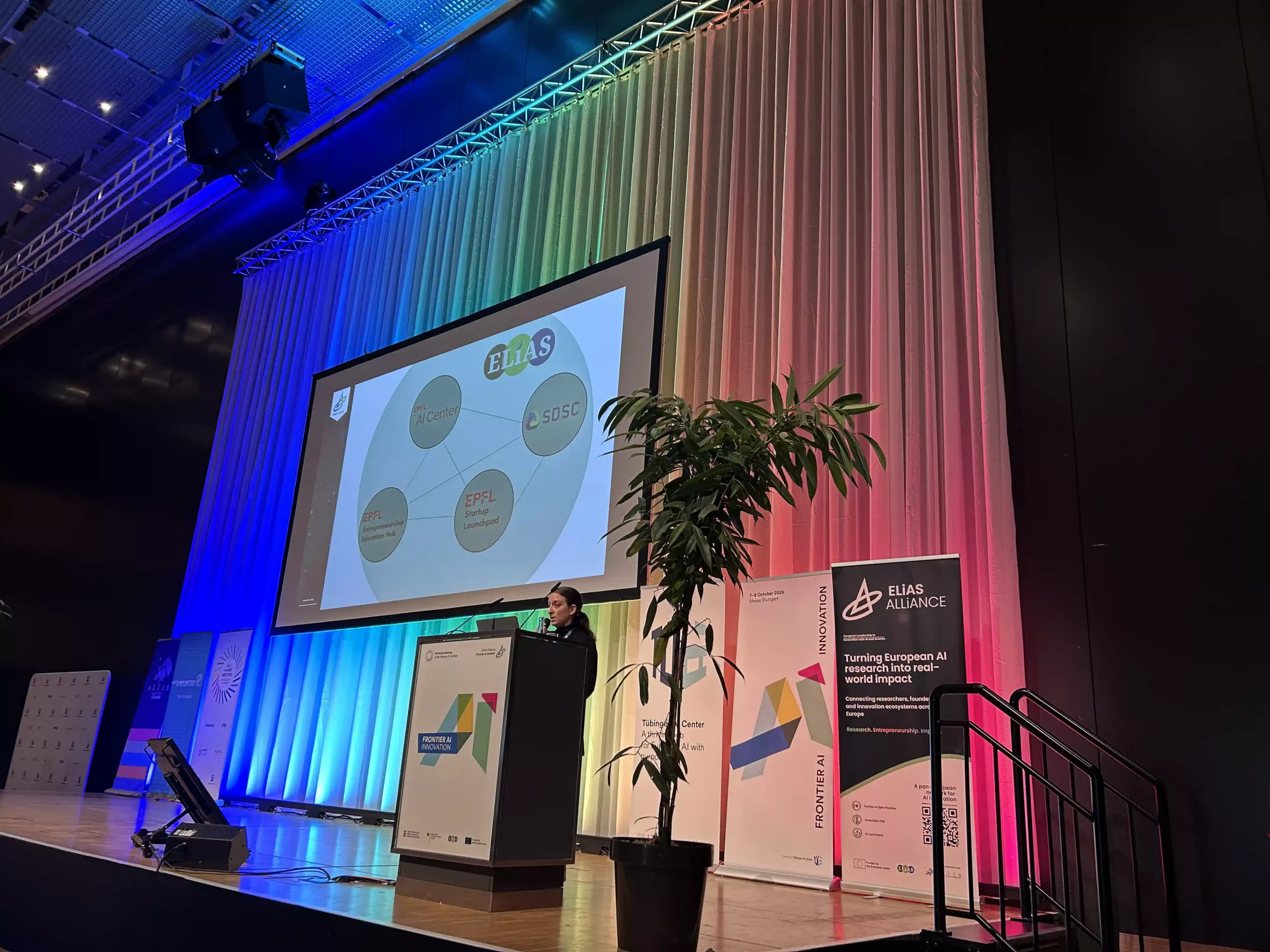
The EPFL AI Center is proud to be part of the new Lausanne Node, developed in collaboration with EPFL Startup Launchpad, EPFL Entrepreneurship Education Hub and the Swiss Data Science Center (SDSC). The initiative aims to strengthen connections between frontier AI research, innovation and entrepreneurship, both locally and across Europe.
Through its participation, the EPFL AI Center looks forward to fostering new partnerships, supporting research-driven innovation and helping translate advances in AI into real-world impact.
The Lausanne Node joins a growing European network committed to bridging scientific excellence and entrepreneurship, creating new opportunities for researchers, founders and innovators to collaborate across borders.
Read the ELIAS Alliance press release to learn more about the eight new Nodes and the Alliance’s next steps.
Author: Nicolas Machado