EPFL researchers have used a neural network to create all-atom models of proteins, as well as the dynamic movements that govern their function. Their comprehensive yet simplified approach resolves a major bottleneck in biology.
(more…)

Add a body paragraph text
1-7
Learn more about us
Read the report
2-7
Read the article
3-7

Read the article
4-7
About the Summit
5-7

Add a body paragraph text
6-7
Read article
7-7
Read article
EPFL researchers have used a neural network to create all-atom models of proteins, as well as the dynamic movements that govern their function. Their comprehensive yet simplified approach resolves a major bottleneck in biology.
(more…)Gaps in data and difficult‑to‑compare datasets limit what climate and weather AI models can reliably predict. Researchers from the ETH Domain have now introduced an AI model that helps close these gaps, reconstructs satellite images, and sheds light on how weather, land and water interact.
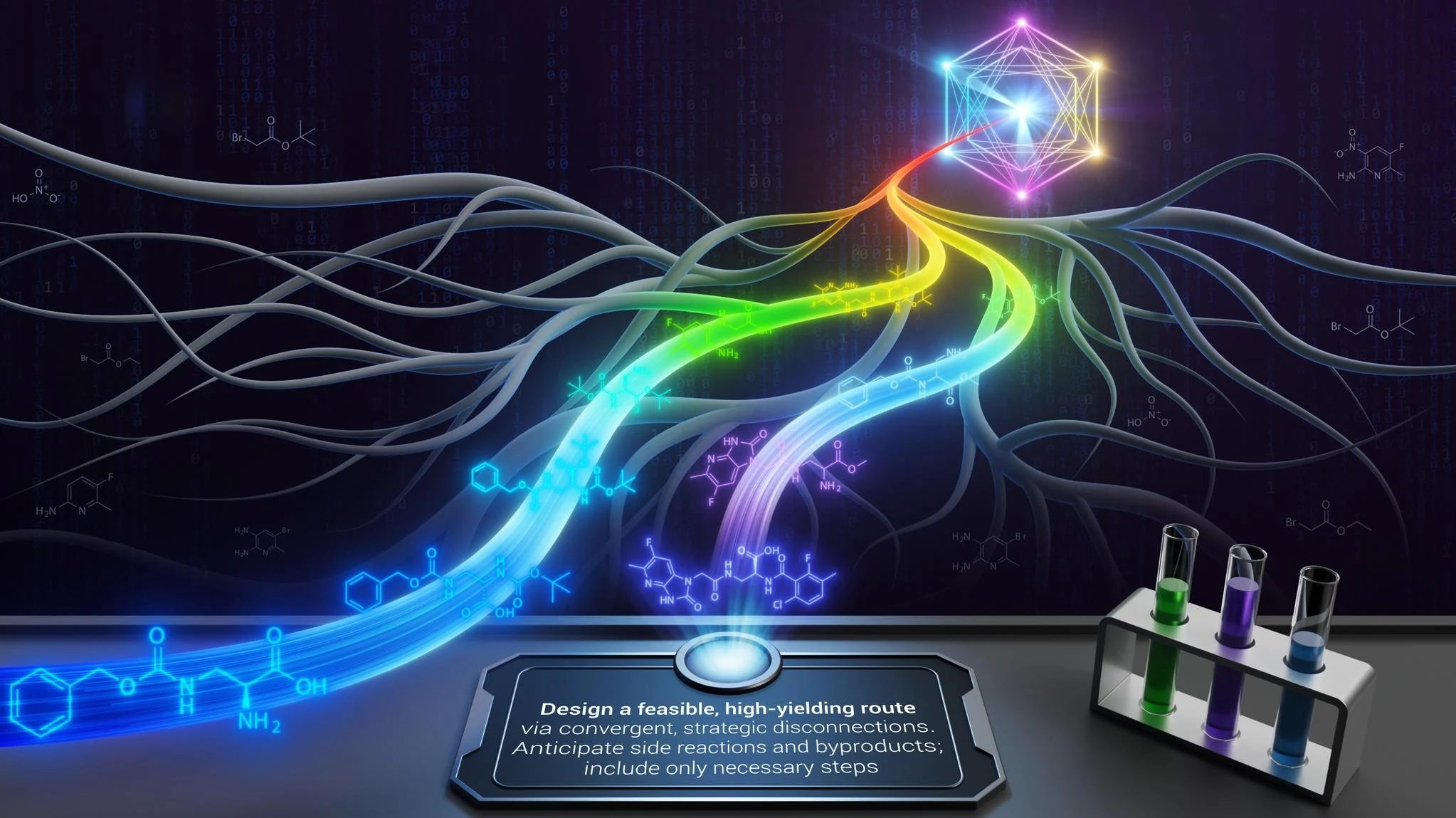
(more…)An EPFL-led study shows how language models can guide chemical synthesis and explain reactions using plain-language instructions.
Traffic jams are a problem in large urban areas. How can they be solved without expanding the road network? This is a challenge that researchers are attempting to address.
(more…)For the first time researchers have used an advanced AI model that understands both images and language allowing them to model dyslexia, paving the way for potential new treatments.
(more…)With AI, the voice has acquired a new significance. Behind the words lies data that can be used both to diagnose a health problem and to steal someone’s identity.
(more…)A new framework developed by EPFL researchers makes it possible to teach a skill to robots with different mechanical designs, allowing them to carry out the same task safely without rewriting code for each.
(more…)