
The myth of neutrality in Generative AI
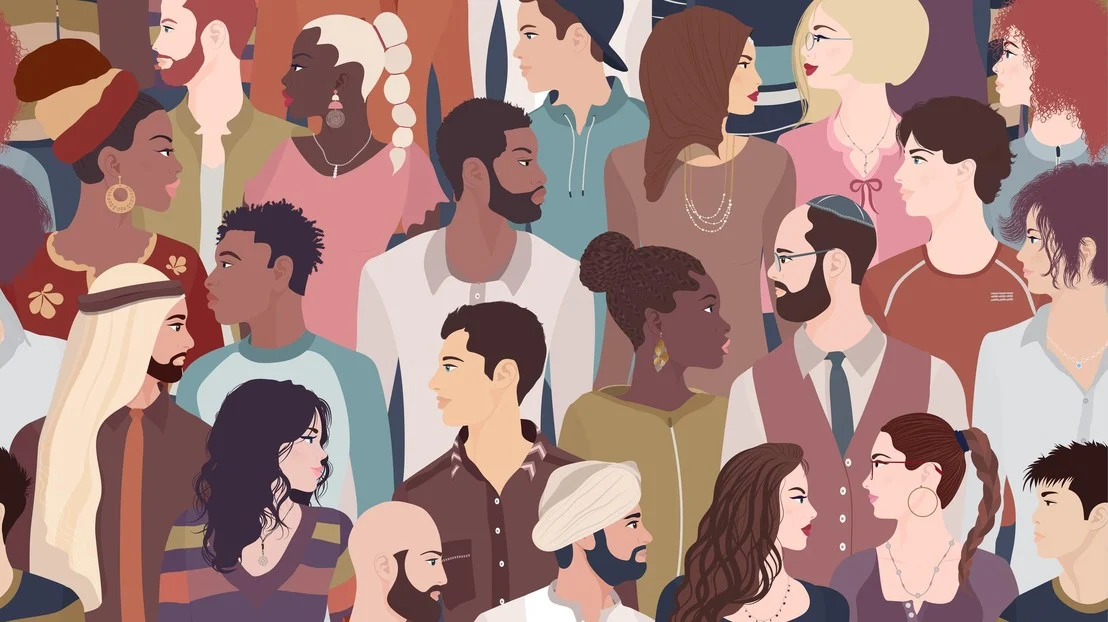
As part of the Week of Action Against Racism, EPFL is exploring the issue of algorithmic discrimination. Ahead of a public conference on campus dedicated to the topic, we’ve taken a closer look at the “black box.”
EPFL joins $25 million research on cancer avoidance
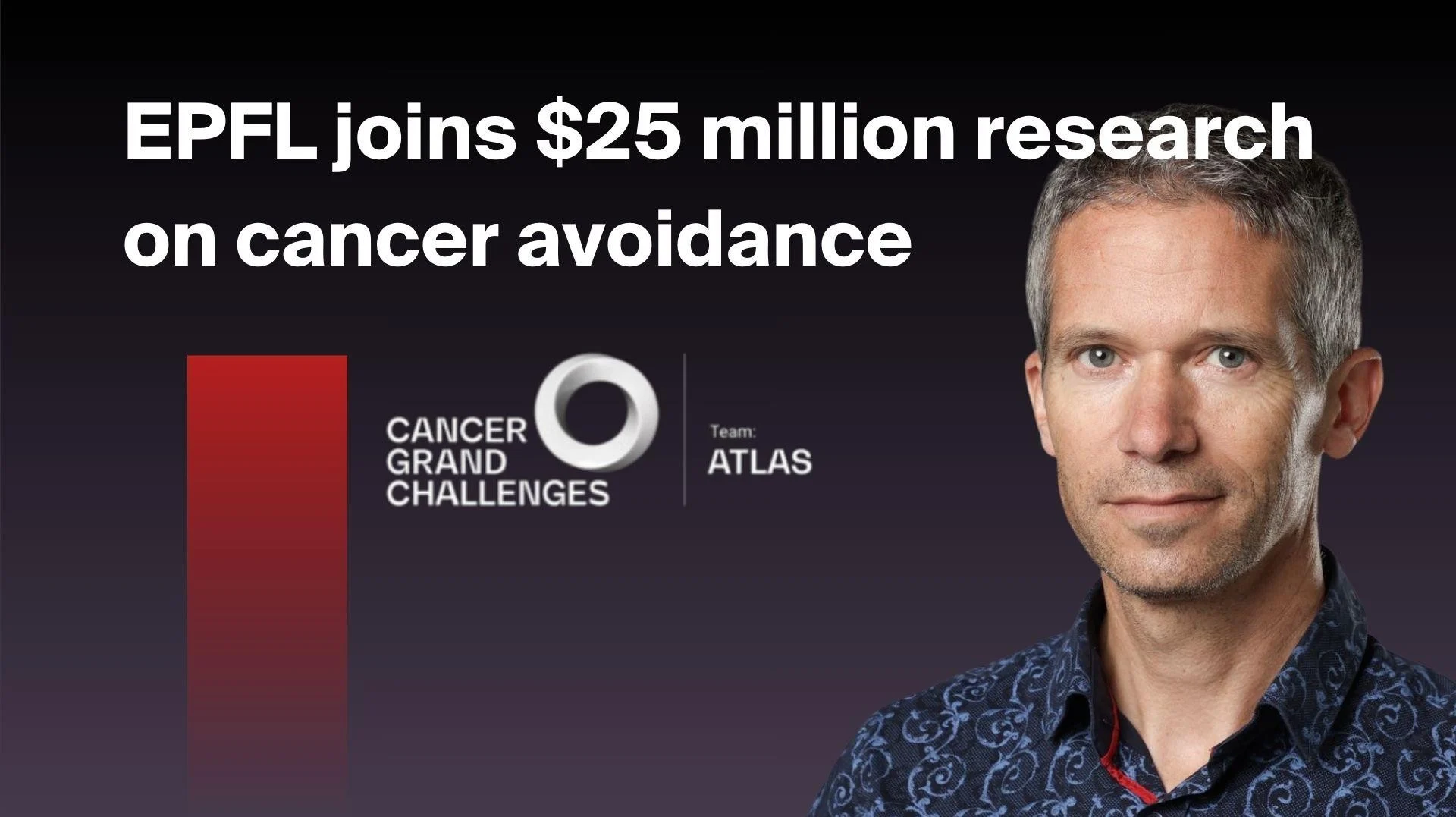
Jacques Fellay’s lab at EPFL will lead data integration and analysis within the Cancer Grand Challenges ATLAS team, selected to investigate why some high-risk individuals never develop cancer.
Open-Source LLM Builders Summit: What It Will Take to Enable Global Collaboration
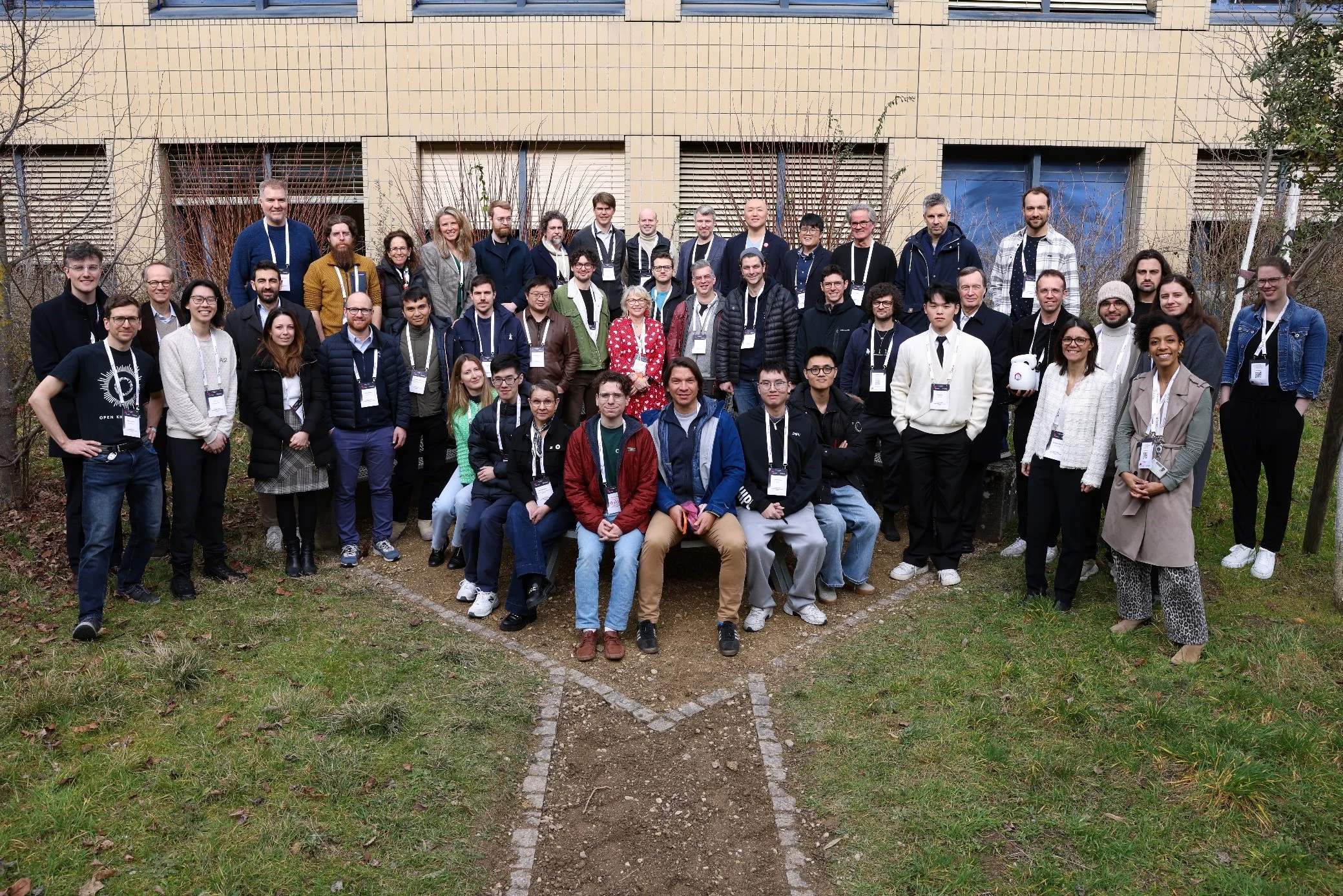
The second Open-Source LLM Builders Summit concluded in Lausanne with a final plenary discussion led by the Scientific Committee (Antoine Bosselut, EPFL; Joost VandeVondele, CSCS; Imanol Schlag, ETHZ; Valentina Pyatkin, Ai2) synthesizing insights from the afternoon’s breakout sessions. The goal of the workshop was to explore how meaningful global collaboration on open large language models […]
Resource-sharing boosts robotic resilience
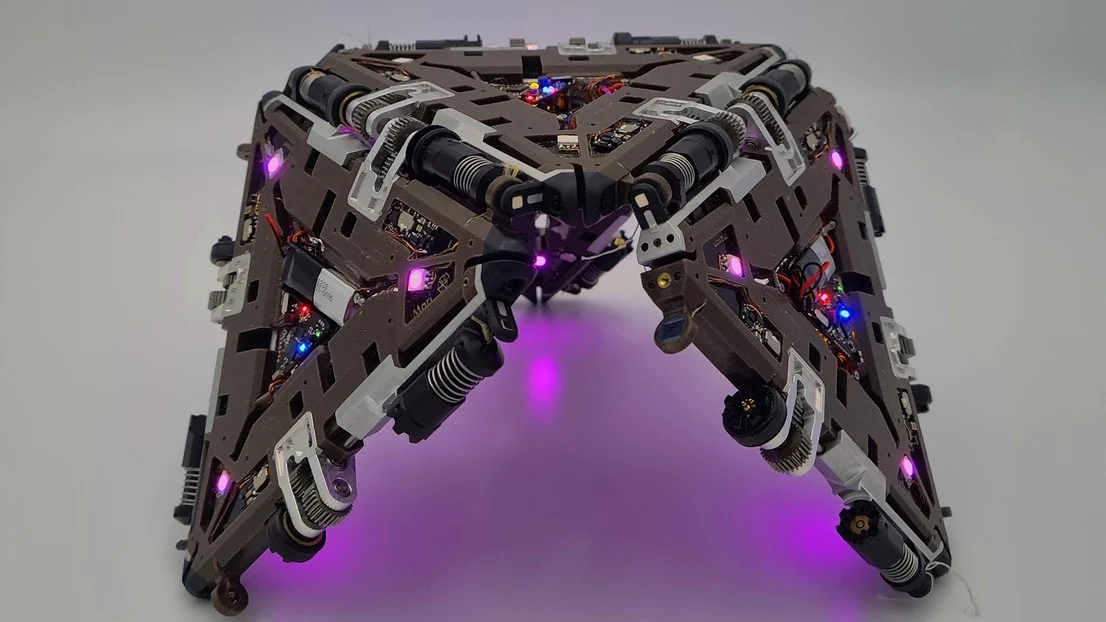
EPFL roboticists have shown that when a modular robot shares power, sensing, and communication resources among its individual units, it is significantly more resistant to failure than traditional robotic systems, where the breakdown of one element often means a loss of functionality.
A New Reference Model for Machine-Learning–Driven Materials Discovery
Researchers at EPFL’s Laboratory of Computational Science and Modeling (COSMO) have reached a significant milestone in material science, reaching the top position on Matbench Discovery, the leading benchmarking platform for machine-learning interatomic potentials.
Within five years we may have AI that does science

EPFL professor Robert West and invited professor Ágnes Horvát discuss how the rise of AI is transforming the dissemination and production of scientific knowledge.
ELLIS Award and Google Fellowship spotlight AI research at EPFL
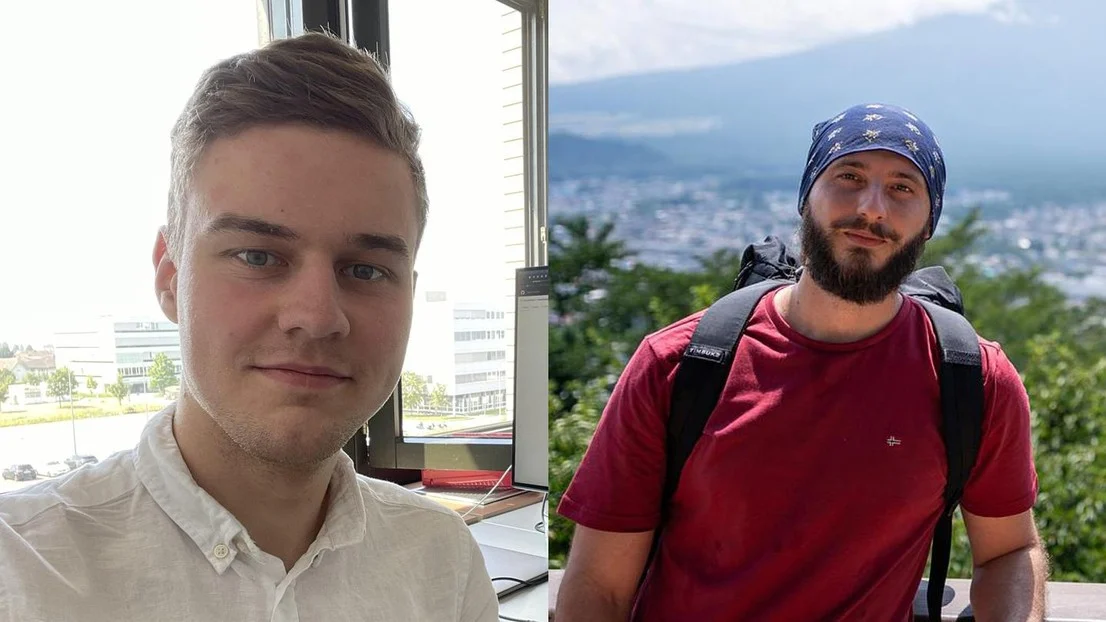
Maksym Andriushchenko, who received his PhD from the Theory of Machine Learning (TML) laboratory in 2024, received the ELLIS PhD Award, and Francesco D’Angelo, a current TML doctoral student was awarded a prestigious Google PhD Fellowship.
Sabine Süsstrunk wins UK Royal Photographic Society Award
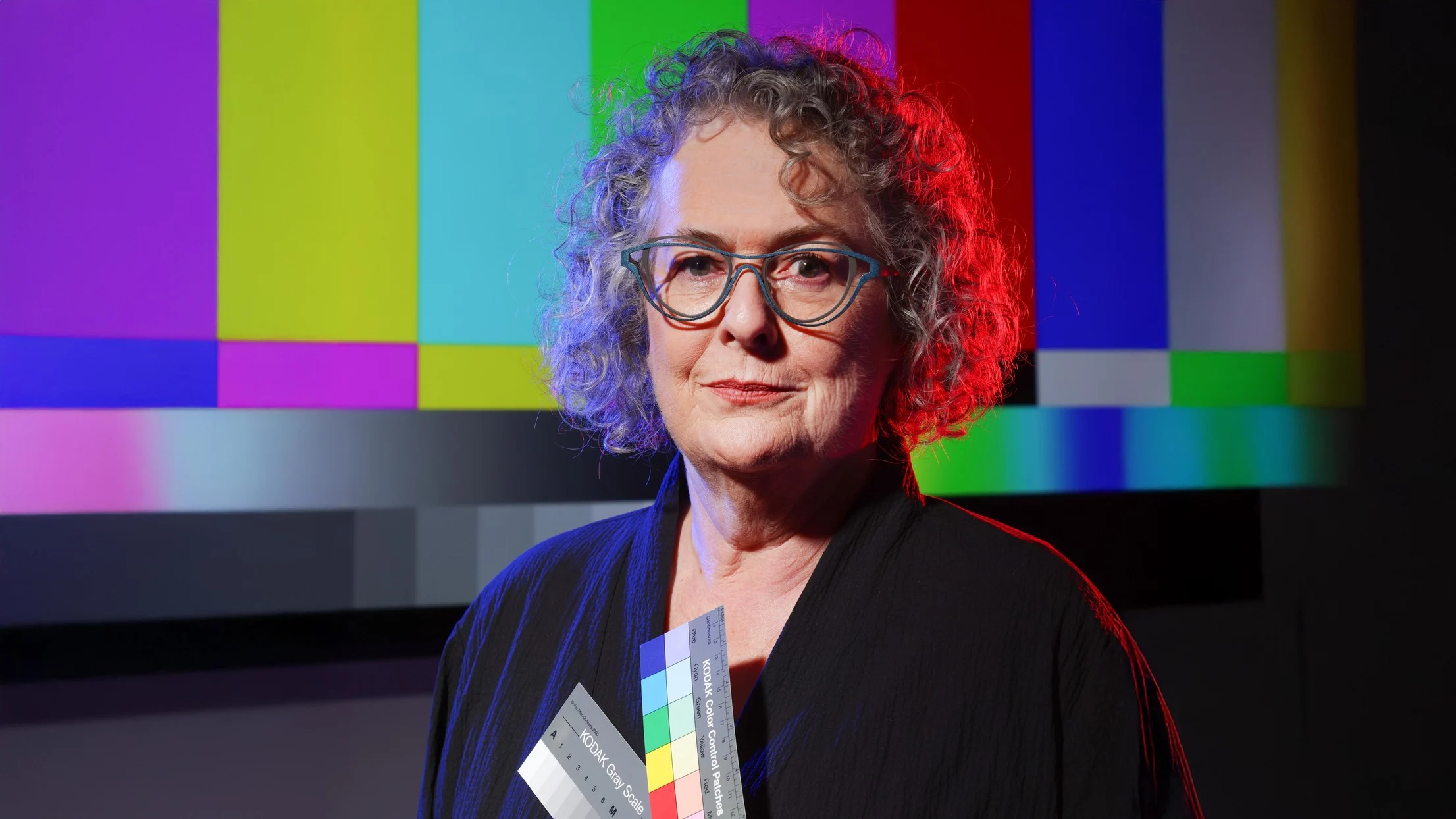
IC Dean and Director of the Imaging and Visual Representation Laboratory has been recognized with the 2025 Royal Photographic Society Award for Imaging Science.
Pierre Vandergheynst and Christophe Ballif win ERC Synergy Grants
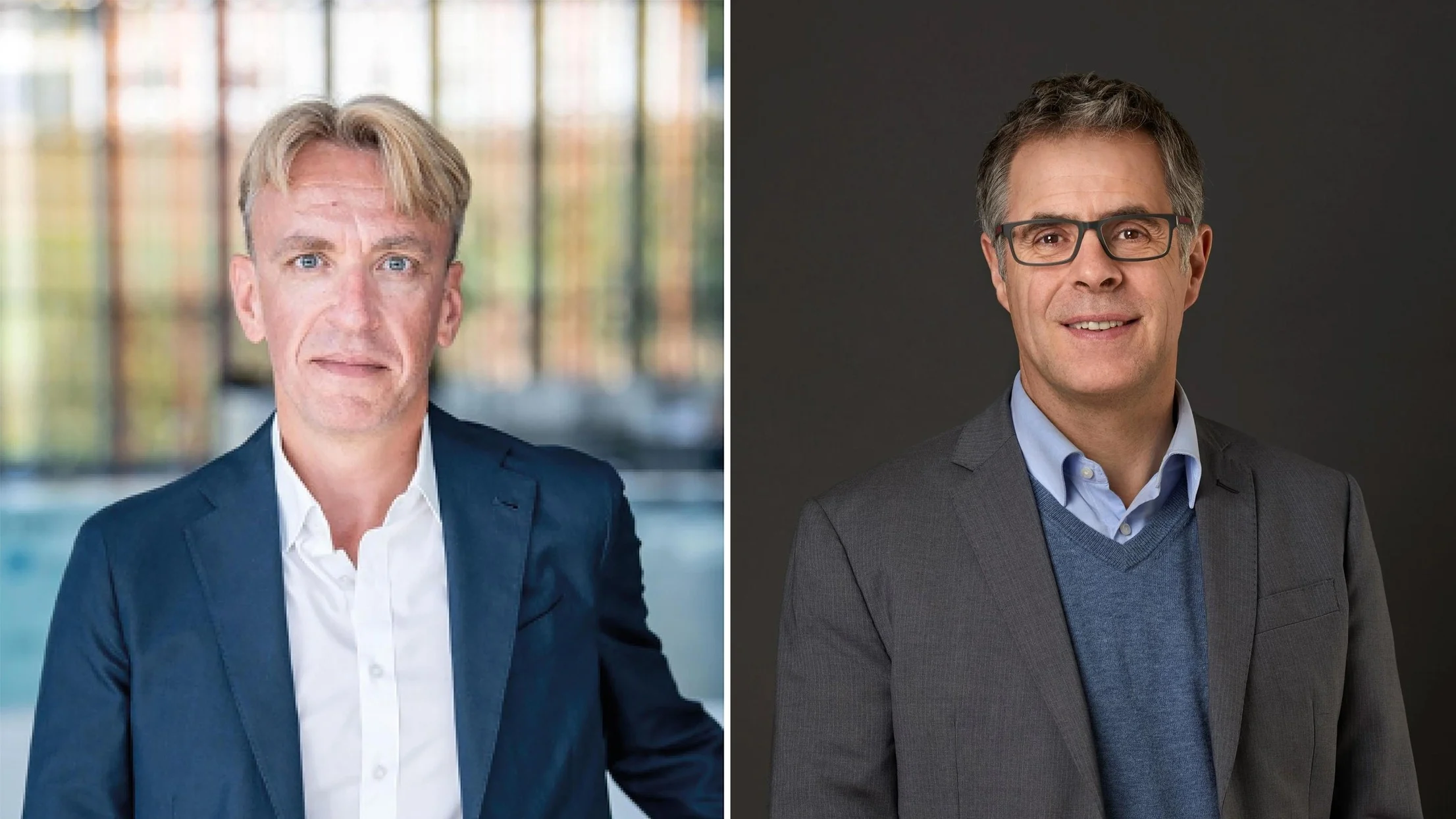
The European Research Council announced on Thursday that School of Engineering professors Pierre Vandergheynst and Christophe Ballif have been awarded ERC Synergy Grants to tackle major scientific challenges.
EPFL Professors named Schmidt Sciences AI2050 Fellows
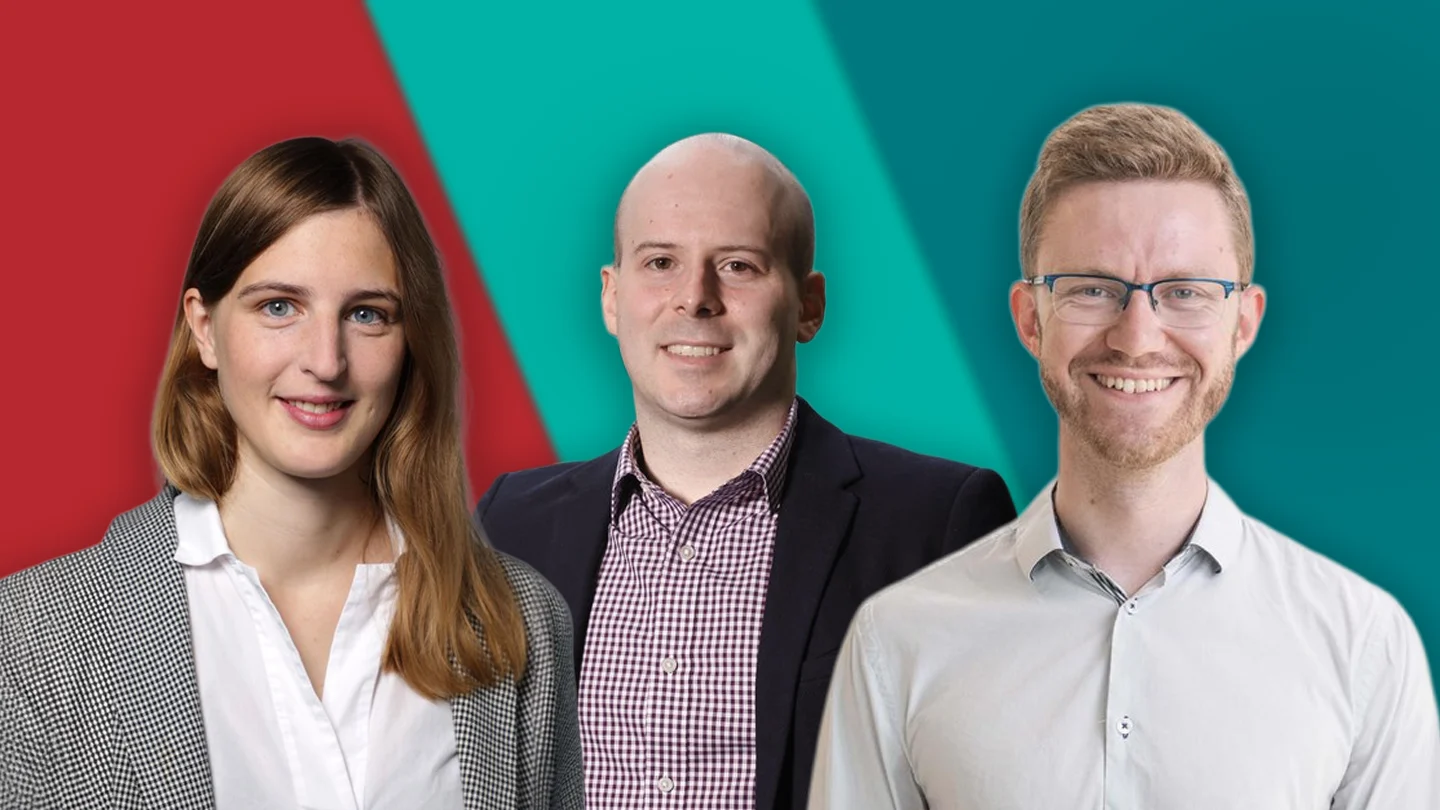
Antoine Bosselut, Charlotte Bunne and Martin Schrimpf have been awarded prestigious 2025 Schmidt Sciences AI2050 fellowships, to focus on how to fulfill AI’s potential to dramatically benefit humankind.